Happy Fall! It’s that time of year when it’s not quite autumn but it sure feels like it. This is my favorite time of year. There is no aroma like that of chile roasting and the vibrancy of color as vegetation sheds its green and prepares for winter, at least in parts of the country and the world. I can’t imagine waking up every day to blooming flowers and greenery in abundance. I like the seasons, all four of them, even that one called spring that blows through like a whirlwind.
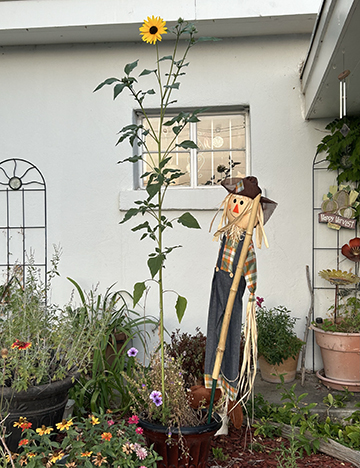
AUTUMN MEDITATION A perfect photo op, the single sunflower sits atop a sturdy stem swaying in the wind, it does not break, nor does it bend. Sitting there against a sky of blue its pristine beauty hardy and true. I want to paint it in words sublime as I watch its silent swaying mime.
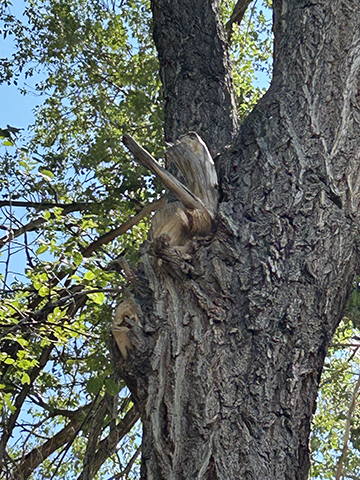
TREE TROLL There is a troll in my tree, only I can see, that’s okay he will be what he will be and entertain the child in me.
Good grief! It’s been too long since I posted ANYTHING on this blog. Heaven knows who might actually see this, but if you do, please know I look forward to your comments.
As many of you know, my dear and amazing husband Bob Vander Meer, passed away on May 30, 2024. What follows are reflective poems honoring his memory. I confess to not paying attention to ‘poetic form’ and wrapped my heart instead around what I was and am feeling. We all grieve in different ways. I am so grateful to my family and friends for their love and support and presence, and for continuing to be there for me every day.
TIME This is the moment. Seize it. Do not look to later for by then, it may be too late.
CHANGE Life changed for me today, not at all in a good way, but possibly for the best my husband is at rest.
He Is standing at Heaven’s door painless and upright now and ever more.
MISSING YOU Today is the next day without you, missing your voice and seeing your quirky, lovely smile. I miss you. Be at peace, my love, and filled with joy as you dance with the angels to the music of Lawrence Welk, and tell Jesus your dear wife says, ‘hi’.
STARTING NOW We are now a me and right now, I don’t like it. I never will.
You are an essential part of who I am. Will I go on without you? Of course I will, but I’ll miss you being beside me every step of the way all through the day.
HORIZONS Clouds bunch and thin, regroup into whimsical shapes, like my mind and heart creating life in new ways as I move forward without you by my side. You remain in the essence of who I am… …that will never change.
STOP You would think the world would STOP! so I could breathe and process and grieve. But it does not. I rely on the healing nurture of nature and the presence of God in every leaf and cloud as I find my way, toward peace and joy each new day.
LAUGHTER Life goes on Altered by a new reality. Used up and sad for now. Good news! He is here! The God of all Eases light into each day, Rays of peace and hope.
THE BEACH Landlocked and far from lapping waves that wash upon the shore, memory takes me there where blue-grey waters stretch to the horizon and I am at peace.
TREE WHISPER The shush, shush, shush sighing through the trees sing songs heard deep in my soul, quieting my spirit.
UNTOLD How much do we not remember of days gone by? Or do we recall with little veracity at all, only what puts us in a good light doing only those things that are oh so right. On this my 80th year around the sun, I vow to be joyful and share the fun of living in thankful anticipation of every moment of grand elation.
PISMO Sandy shores and waves washing upon the beach, water stealing away our footsteps as we walk hand-in-hand. These memories etched indelibly on my heart.
First photo we were both MUCH younger 😊. The bottom photo was taken several years ago on our last visit to Pismo Beach, CA, a place we loved to go.
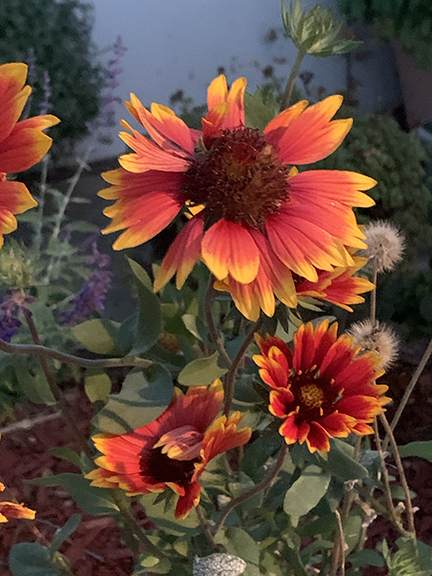
Is it true, gaillardia, you amazing bit of flora, that your common name springs from the bright and beautiful blankets made by Native Americans, pulling inspiration from Mother Nature’s palette? Oh! I do hope so! I’m drawn even more to your astounding blossoms, and think of the unparalleled artistry of Native American weavers leaving threads of history and beauty in the tapestry of life.
It must be the weather. Scorpions (or vinegarroons?) have invaded our home. Yeah, I know, right? Terrifying to a squeamish hater of all things creepy crawly. I know, I know, every creature on earth has its place in the greater scheme of things, but not in my house, thank you very much. And, yes, the exterminator has been here – twice – and the residual effect of the spraying has slowed the creatures down, and in most cases brought about their demise. And yet, even the dead ones give me the willies.
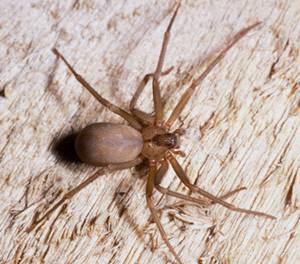
On a related note, my poor husband has the lasting evidence of a brown recluse spider bite on his leg. The reason I called the exterminator in the first place about three weeks ago. The ER doc said the purple-black spot will likely never go away as the spider’s poison killed the cells in that area. Yikes. All the more reason for me to be unwilling to make friends with the creepy crawly world. Strangely, Bob never experienced pain or itching in the small, affected area but it is not a pretty sight.
Curiously, when I mentioned the bite in the company of several women, three said they had been bitten by a brown recluse or knew someone who had been bitten. In a separate conversation on a different day, I got similar responses. So, the buggers (no pun intended) must be on the move. To be clear, these reports didn’t happen recently but spread over time. Still scary to my way of thinking.
Whether the heat has caused robust insect activity is a matter of speculation on my part, but the heat is definitely affecting all of us in one way or another. The day Las Vegas broke the record with a 100-degree temperature is the day I briefly considered getting an air conditioner of some kind. But the question of what kind stymied me. And then it cooled off, kind of, and we had a burst of rain, which really helped. And then… nothing. And it’s heating up again. We have fans going all over the house to move the air around. Insufficient but it works… sort of, more or less. I took the photo at right the day a mix of hail and rain came crashing down. The hail drummed on the roof, knocked branches off the trees and stripped my potted plants. They’re springing back, despite monster grasshoppers taking nips and rips from everything!
Yes, it has been a weird, weird summer. Despite it all, I’ve managed to find time to be creative. Here’s some recent poetry.
TEACUP Floral swirls in colors bright you hold the musings of my heart in each sip of warm tea, taking me down the path of memory.
STAR Set in the heavens twinkling a winking glow alight with your brilliance ruling the night, star of the show.
PAIN / LOVE Pain and love, four letter words filled with angst.
FLOWERS Gardens flourish and flowers bloom, growing hearts and making room for joy to fill us up, an ever overflowing cup.
IN THE STILLNESS Silence beckons; walk into its solitude to find peace.
Time stops. Welcome the comfort of quiet meditation full of light
Breathe deep, slow your mind, attune your self to the stillness.
TREES Trees are said to come from a single root that weaves throughout the world, feeding, nurturing, sustaining the forests, maintaining the beauty we all need. Did it come from a single seed? Did it spring from Eden in the long ago? Is the root instead the Root of humanity, the progenitor of us all? God, our protector.
SANTOS Art emerges under the deft hands of a skilled crafter of retablos and bultos, images sometimes simple and plain, other times brilliantly carved, striking in color and execution. The artisan chooses; God inspires.
Photo of spider – UC Riverside website archive Photo of storm – Sharon Vander Meer (c)
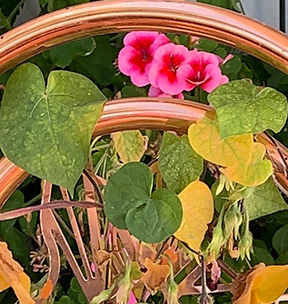
Morning glory leaves fade from green to gold,
blossoms little more than a drooping husk, something old,
yet not gone for good; seeds drop, spring will unfold
and bring back watercolor splendor in stories yet to be told.
Brothers and sisters, I do not consider myself yet to have taken hold of it. But one thing I do: Forgetting what is behind and straining toward what is ahead. Philippians 3:13 NIV
Not there yet in your journey?
Fallen off your horse a time or two along the way?
That’s the past.
Today and tomorrow are waiting for you.
Show up. Listen.
Be ready to come off the blocks in service to the Lord
through service to others.
Don’t put stock in mistakes of yesterday,
except to carry its lessons into what happens next.
Avoid poor choices and self-serving addictions.
Look for ways to be successful.
The reward of service is getting something back
you never imagined would or could come your way.
Peace. Joy. Renewal.
Embrace possibility.
God has a plan.
Be ready for it.
Thank you for being a reader/subscriber. It is my goal to present informative, interesting and creative content on this site. Your likes, shares and comments are welcomed and hugely appreciated.
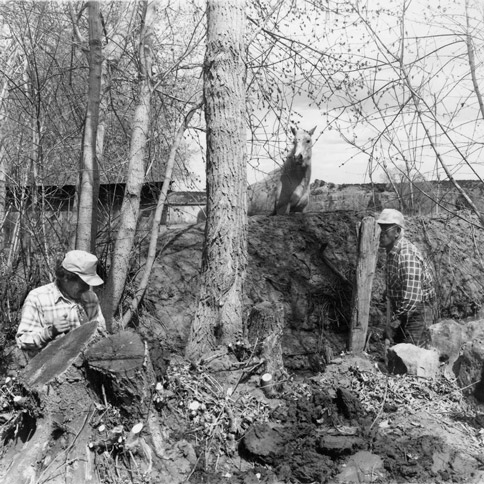
According to Sharon Stewart’s website bio, photography is in her genes. Her Great Great Aunt Sadie, Quaker, was a commercial photographer in 1880s Iowa, having a studio with another Quaker woman. Stewart says the impetus of her photographic work is service and beauty. Her Agua y Fe: Water and Faith series is on exhibit through Labor Day at the Plaza Hotel’s Ballroom Corridor Gallery in sponsorship with the Las Vegas Arts Council.
Sharon Stewart
ORP:What brought you from urban living to a more rural lifestyle? Sharon:My birthplace on the frontera of southernmost Texas with Mexico was imbued with agrarian expanses and fecundity, a languid pace of living, and small town familiarities. I studied finance and economics at the University of Texas, Austin and moved to Houston to begin my photographic career. This served well, though I longed to dwell back with the cycles of nature whose elemental forces resonated with me rather than the densities of the city. Looking for a home in the Mora Valley was a five year endeavor, and yes, finally finding a place in Chacón, the shift from living with three million to three hundred (people) was swift and welcome.
Abran and Vidal
ORP: Your website bio refers to your photographic purpose. Talk about that and how it has shaped your work.
Sharon: Having completed a photo narrative on grassroots environmental activism in Texas, which gave voice to the concerns of salt of the earth folks protecting their land, air, water, culture from the ill effects of industry and the government’s hazardous waste practices, I was a bit discouraged by the realities of what we do to one another in the name of profit. When I moved here, I took a long look at why I was photographing, and ultimately, the answer was to serve history, this coming from strong service ethos that runs in the Stewart family line. Certainly the Toxic Tour of Texas was an activist/advocacy piece with the photographs being used in legislative testimony, published in the daily and environmental press, exhibited in libraries, shopping centers, and museums throughout Texas. Turning to a quieter life, photographing the rituals and traditions of Hispano New Mexico and the acequia culture in El Cerrito continued in the vein offering a view into lives aligned with the land and community. I had begun the El Agua es la Vida project three years before moving to Northern New Mexico, and it expanded with the exploration of the village life over the course of two decades, something I term Slow Photography, a commitment to the narrative through time. These photographs are part of the Water in the West Project and Archive residing at the Center for Creative Photography at the University of Arizona. The Mora Valley narrative, Exit West: A Cultural Confluence, began upon my arrival and will continue through my life here. A major focus has been to place these images in archives and special collections at universities in the American West for scholarly research and teaching purposes.
ORP: How has your purpose evolved from when you started? Sharon: Initially I was recording the world as I encountered it. I have come to understand that what we see, observe, perceive is an aperture into the self, as tightly or as widely as we are willing to explore and share. Image creation can be a journey into self hand-in-hand with the human instinct to remember, gather, share, enjoin, act. So as I have come to see it, my “purpose“ has been finessed or perhaps honed over these many years of engaged seeing.
Compuerta
ORP: How did you get from being an aspiring photographer to actually doing it for a living?
Sharon:As for many in rural Northern New Mexico, making a living is a mosaic endeavor. I often say I make a life photographing.
ORP: When do you know you’ve captured the subjects of your photographs in just the way you want? Sharon: Photographing is intuitive for me. Certainly intentionality and placing oneself in the image field is vital. Much of the joy in photographing is opening oneself to the unknown, being free in the not knowing and releasing the imposition of will or expectation on a situation. However, the narrative structure necessitates an understanding of relationships, economic and societal influences, cultural, religious and familial overlays, so I have drawn on my university training to scope an encompassing view of a chosen subject. There is also a calming resonance I feel when all the elements align for a signal image.
ORP: The Stewart photographs I’ve seen are primarily in black and white. Is that your preferred mode of expression and if so, why? Sharon: My initial work was in color transparency, though with too much noxious chemical exposure in the Cibachrome color printing process, I moved to black and white. However, each subject has an appropriate expression through process, which determines my choice of using color or black and white, film or pixel.
ORP: Talk about the photographers who influenced you and how their work contributed to your photographic and career choices.
Sharon: Early on I studied the Dadaists and Surrealists and their alignment with chance, unexpected juxtaposition, and dream exploration—Man Ray, Merét Oppenheim, Hannah Höch, Marcel Duchamp, and by extension, Alexander Calder and his playful lyricism. In the black and white canon, Minor White for metaphor, spirituality and beauty, Edward Steichen for experimentation, Paul Strand for clear-eyed, compassionate observance and commitment to a finely crafted negative and print, Laura Gilpin for evocative landscapes, Dorothea Lange for social and economic justice. Their creative expression is synchronistic with ways I perceive the world, so I look to them as both partners and guides.
ORP: Realizing that each image has its own unique message, what do you want your photographs to convey? Sharon:My intention is to open in viewers understanding and discovery by stimulating their imaginations and memories.
ORP: If you could use only one word to describe your photography, what would it be?
Sharon:Whenever I have been asked about a favorite anything, I respond that I have many favorites for as many different reasons. Same applies to my photographic expression. If you look at the bodies of work in the arc of my creative life, you will see work originating in the personal, the universal, the communal.
ORP: What motivates you to continue taking pictures? Sharon:I cannot not take photographs, though I become more selective about when and where and what I photograph. Photography has taught me to see, not just look, see, and those observations aren’t always tangibly recorded.
ORP: Where have you exhibited and do you have current shows up locally?
Sharon: The cultural landscape images of Northern New Mexico, many of which are currently on view in the Agua y Fe: Water and Faith exhibition at the Plaza Hotel’s Ballroom Corridor Gallery in sponsorship with the Las Vegas Arts Council, have been exhibited at the New Mexico Museum of Art, NM History Museum, Office of the State Historian, Center for Creative Photography, Museum of Fine Arts-Houston, NM Capitol Arts Collection, Visual Studies Workshop, Houston Center for Photography, FotoFest International Biennial. Other work has been exhibited in Amsterdam, Belgium, Germany, South Africa, Cuba, Canada, New York City, Los Angeles, Boston, Washington, D.C.
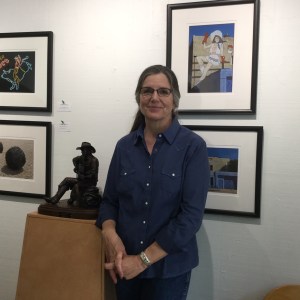
Photography is one thing; taking images to another level requires ingenuity and originality. Technique plays a part, but only when applied by an expert hand and a discerning eye. Elaine Querry is that kind of photographer. She has been working in this art form for more than 35 years and has won numerous awards. Elaine’s work has been shown in locations around the world and is in many public and private collections. As a fine art photographer she captures images that speak to her as an artist and challenge her creatively. Her work is on exhibit through September at 2 Ten A Galaria of Art and Treasures, 210 Plaza, Las Vegas, N.M., along with the work of sculptor Duke Sundt and artist David Carter. The Galaria is open from 10 a.m. – 5 p.m., Monday – Saturday. Elaine and her husband Ron Querry live in historic Las Vegas, N.M. in a century old Victorian home.
ORP: There was a great turn out for the opening of Out West at 2 Ten A Galleria of Art and Treasures. Talk briefly about the show and the participants. Elaine: Linda and Bill Anderle have brought together a group of people working in a variety of media to illustrate the theme Out West. Duke Sundt is showing a selection of his incredible bronzes; I have a collection of color photographs from in and around Las Vegas; Texas photographer David Carter has images of rodeos that he’s worked on in and out of Photoshop. Also showing are artists – Stuart Gelzer (photographs) and Alice Winston Carney (watercolors).
ORP: Everyone with a cell phone believes they’re the next Ansel Adams. What makes a fine art photographer different from the casual picture taker. Elaine: A cell phone, a digital or film camera are all just tools. What makes a fine art photographer is someone who attempts to take the viewer there. To present the image in such a way as to provoke a visual dialogue with the audience. When I photograph I’m looking to tell a story. To stop a moment in time and place and to record it as I found it. Photography is a wonderful way of remembering and expressing the world around us. Fine art photography goes deeper. It’s as much about the photographer as it is about what she is recording. Photography becomes not only a tool but an extension of who we are, framed by our experiences and our visions, our hearts and our souls. As a fine art photographer, I think in terms of series whether all at one shooting or later bringing together images that build on each other and work together. The series I am showing now at 2 Ten are images I shot for my enjoyment and interest over a period of five years with no expectation of a resulting show. I’m driven to photograph. When I can put together a series, it’s very satisfying.
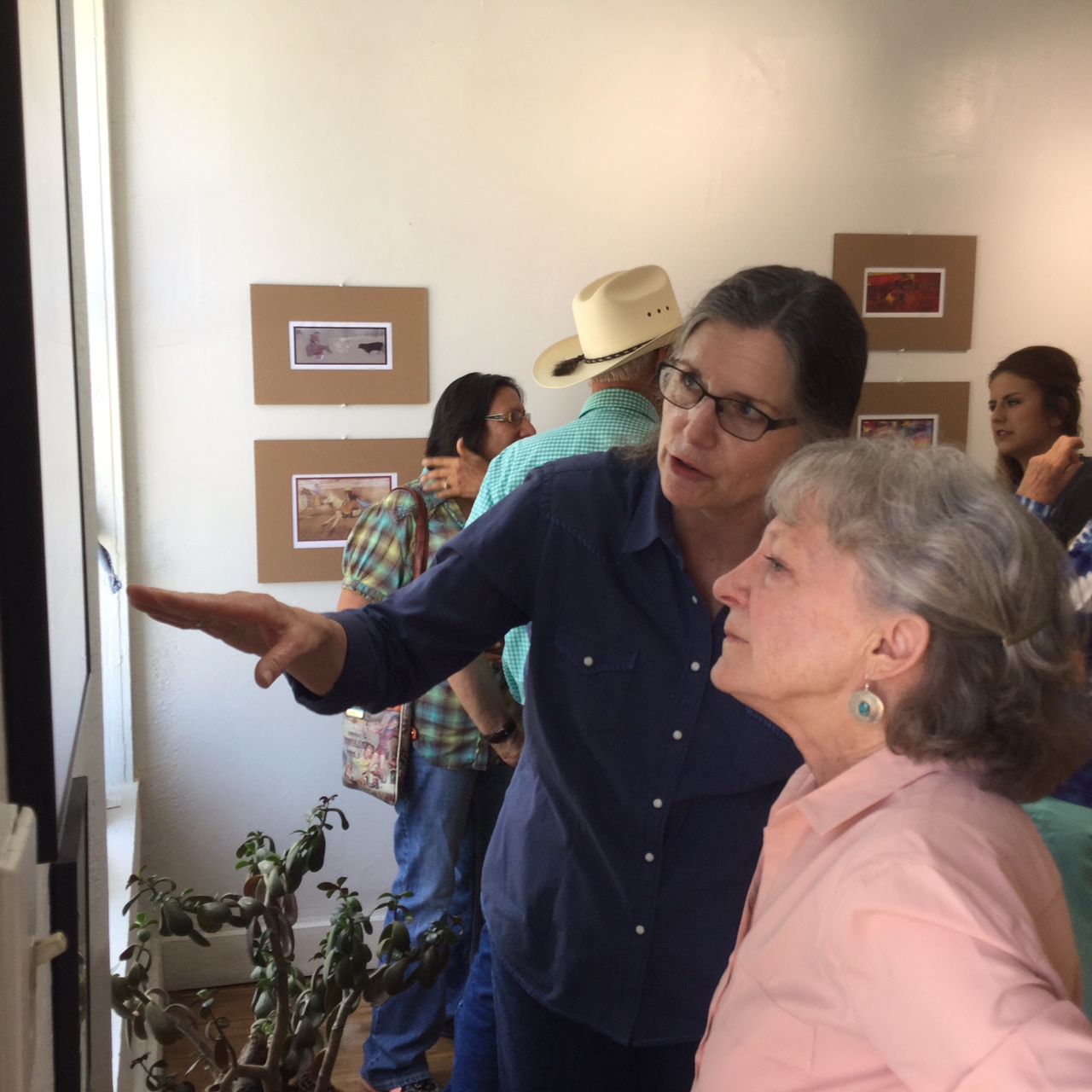
Elaine talks about her work with Alice Winston Carney, whose watercolor paintings are also in the 2 Ten show.
ORP: What drew you to photography as an art form? Elaine: Early on with photography I found a way of expression that didn’t need words. One where I could communicate and express myself visually. I am an artist and photography is my art form.
ORP: I’m a fan of photojournalism because I do believe a picture speaks a thousand words. What “story” do you look for when you take photographs?
Elaine: I began my career as a photojournalist and I was also chief photographer for three newspapers. I shot, printed and developed my editorial and advertising work as well as that of others at the papers. I learned from some very good editors that you must tell a story with your photographs. You need to shoot from different angles and levels to find that right image and to bracket your exposures… you need to stretch yourself, to take chances. It’s important for me not put myself in the image – I want to show you what’s there so you can see it and form your own ideas, your own insights. And I compose the image in the viewfinder – shooting full frame. Rarely do I crop an image. Dorthea Lange said, “The camera is an instrument that teaches people to see without a camera…”
ORP: Your www.elainequerry.com website is called Shadowcatcher. What does that mean to you and how does the term reflect your work?
Elaine:Shadowcatcher is another term for a photographer. Someone who catches shadows. I first heard that term as it was used to describe Edward Sheriff Curtis (1868–1952), the early and great photographer and ethnologist whose work focused on the American West and its Native peoples. His subjects called him Shadowcatcher because he photographed them and made a print which “caught shadows”. I use that name instead of, and along with, photographer. It’s a beautiful and accurate way to describe what I do.
ORP: What is the most difficult aspect of what you do and why is it difficult?
Elaine: It’s all difficult. As it should be. There’s that old thing about people thinking – and actually saying – that if they’d been there with a good camera they could have taken that picture. That’s like saying if they’d had a good pan, they could have made that gourmet meal. I love what I do, but the most difficult aspect for me is to focus on one thing. And I want to do that one thing to the best of my ability. Every project seems to take so much time!
ORP: Is being a fine art photographer more manageable with all the technology available?
Elaine: It has made things much different. The works of so many of the masters of photography were here long before our current technology was created and those works are still exquisite. Digital technology has given us additional tools and that has opened up other worlds, other ways of expressing our vision. For example I work a great deal with old photographs that I’ve tried to restore using traditional photography with varying levels of success. But once introduced to digital technology, I’ve had much more success in getting those images close to the originals.
ORP: Do you still use film or do you rely on digital?
Elaine: I rely on digital but have not given up my film cameras or wet darkroom. I rely a great deal on the images I have taken on film over the years before I went digital and I rely a great deal on my digital images. I’d like to incorporate the two more. And I like to do alternative process photography as well, and photograms, which one makes without using a camera at all. I have licensed a number of my alternative process images for use as book jacket covers in this country and in Europe.
ORP: What do you most want people to know about you as an artist and photographer?
Elaine: I want to show you what I see – to show you what is there. To show you something you may not see or be aware of on your own. To open your eyes to something new. To make you look.
ORP: Please add anything that is important to you that I left out.
Elaine: For the past three years I’ve been scanning old Cowboy Reunion and other panoramas as well as various other vintage photographs and restoring the scans and then printing the resulting image. It takes a lot of time in front of a computer using Photoshop, but I find it’s been very rewarding. It’s a quiet sort of communion with the people and the time (1915-1940s) in the photographs. For me it’s almost like a meditation of an era gone by. In the panoramas the face might be just a quarter of an inch high but on the computer I can blow it up three or four hundred times to repair the file. Lots of information and lots of things to see and think about! I have a dozen of the early Las Vegas Cowboy’s Reunion Panoramas on display and for sale at the Plaza Hotel.







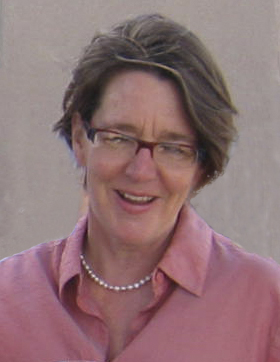





 Sharon Vander Meer